Urban Infill Development Opportunities in Massachusetts and Rhode Island
Urban Infill Development Opportunities in Massachusetts and Rhode Island
Urban real estate markets in Massachusetts and Rhode Island are evolving rapidly as housing demand continues to rise while available land becomes increasingly limited. For builders and developers, urban infill development land has emerged as one of the most valuable opportunities to create profitable residential projects in established neighborhoods.
Instead of focusing on large suburban developments, many developers are turning their attention toward vacant lots, underutilized parcels, and teardown properties located within existing urban areas. These smaller sites offer significant advantages—especially in cities like Providence and the Boston metropolitan suburbs—where housing demand remains strong and buildable land is scarce.
This guide explores the growing opportunities in urban infill development across Rhode Island and Massachusetts, including zoning considerations, infrastructure benefits, and strategies for finding off-market parcels before they reach the public market.
What Is Urban Infill Development?
Urban infill development refers to the process of building new residential or mixed-use properties on unused or underutilized land within already developed urban areas. These parcels may include:
Vacant residential lots
Underdeveloped commercial properties
Teardown homes suitable for redevelopment
Small land parcels between existing structures
Former industrial sites converted to residential use
Instead of expanding cities outward through suburban sprawl, infill development focuses on optimizing land within existing neighborhoods.
This approach is increasingly popular because it supports higher-density housing, improves infrastructure efficiency, and meets the growing demand for homes close to employment centers, schools, and public transportation.
Why Urban Infill Is Growing in Rhode Island and Massachusetts
Several factors are driving the rise of urban infill development across these two states.
1. Housing Demand in Established Cities
Cities such as Providence and communities surrounding Boston have experienced steady population growth and strong housing demand.
Young professionals, families, and downsizing homeowners are increasingly seeking properties located near:
Job centers
Transit hubs
Restaurants and entertainment
Walkable neighborhoods
Urban infill projects allow developers to meet this demand by creating modern housing within established communities.
2. Limited Land Availability
One of the biggest challenges in Massachusetts and Rhode Island is the lack of large undeveloped land parcels.
Because most urban areas are already built out, developers must look for smaller infill opportunities, including:
Vacant residential lots
Older properties suitable for demolition
Small parcels previously overlooked by larger builders
These properties may be modest in size but can offer significant profit potential when developed efficiently.
3. Support for Higher Density Housing
Local governments in both states are beginning to recognize the need for higher-density housing solutions.
Many municipalities have adjusted zoning regulations to support:
Duplex and triplex developments
Accessory dwelling units (ADUs)
Townhomes
Small multi-unit residential projects
This shift allows builders to maximize the value of smaller parcels by creating multiple housing units on a single lot.
High-Potential Urban Infill Locations
Several areas in Rhode Island and Massachusetts present strong opportunities for developers looking to invest in urban infill projects.
Providence, Rhode Island
Providence continues to attract residents due to its:
Historic neighborhoods
Growing job market
Strong university presence
Many neighborhoods contain vacant lots and older properties that can be redeveloped into modern residential housing.
Areas near downtown and university districts are particularly attractive for multi-unit infill developments.
Boston Suburbs
Boston's housing demand continues to push development outward into surrounding suburbs such as:
Somerville
Quincy
Medford
Everett
Malden
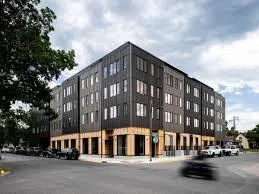
These communities offer opportunities for small-scale infill projects where developers can build townhomes, duplexes, or small apartment buildings.
Types of Profitable Urban Infill Projects
Urban infill land may be small, but it can support a variety of profitable development strategies.
Development TypeDescriptionIdeal LocationDuplex or Triplex HomesTwo or three-unit residential properties built on small lotsDense neighborhoodsTownhome DevelopmentsMultiple attached homes sharing wallsNear transit corridorsSmall Apartment Buildings4–12 unit buildings on compact parcelsUrban neighborhoodsAccessory Dwelling UnitsSecondary housing units on existing residential lotsSuburban areas
Each of these development types helps maximize land use while providing housing options that align with modern urban living trends.
Zoning Considerations for Infill Development
Before purchasing any urban infill development land, builders should carefully review local zoning regulations.
Important zoning factors include:
Lot Size Requirements
Some municipalities require a minimum lot size per residential unit, which can impact development potential.
Building Height Limits
Urban zoning rules often regulate how tall buildings can be, especially in residential neighborhoods.
Setback Requirements
Setbacks determine how far a structure must sit from property lines, sidewalks, or neighboring properties.
Parking Regulations
Many cities require a minimum number of parking spaces per unit, which can affect site planning.
Understanding these regulations early in the process helps developers avoid delays and maximize project feasibility.
Infrastructure Advantages of Urban Infill
One major advantage of infill development is the presence of existing infrastructure.
Unlike new suburban developments, infill sites typically already have access to:
Water and sewer systems
Electrical and gas utilities
Public roads and sidewalks
Public transportation routes
Because these systems are already in place, developers can often reduce infrastructure costs and speed up construction timelines.
How Builders Find Off-Market Urban Infill Parcels
Many of the best infill development opportunities never appear on the MLS. Instead, successful builders often secure properties through off-market strategies.
Direct-to-Owner Outreach
Developers frequently contact property owners directly to inquire about potential land sales. This approach can uncover opportunities before they become widely known.
Networking with Local Real Estate Professionals
Local agents, wholesalers, and property managers often know about vacant parcels or aging properties that may soon become available.
Building relationships with these professionals can provide early access to potential development sites.
Monitoring Tax and City Records
Some developers identify infill opportunities by reviewing:
Tax delinquency records
Vacant property registries
Municipal land inventories
These sources can reveal properties that owners may be willing to sell.
Tips for Evaluating Urban Infill Land
When assessing potential infill development parcels, developers should evaluate several key factors:
Zoning compatibility for the intended project
Access to utilities and public services
Neighborhood housing demand
Construction feasibility and lot dimensions
Local permitting timelines
Conducting proper due diligence helps ensure that a small parcel can be transformed into a profitable residential development.
The Future of Urban Infill Development
Urban infill development is expected to play an increasingly important role in addressing housing shortages across Massachusetts and Rhode Island.
As cities continue to grow and land availability becomes more limited, developers who specialize in small, strategic infill projects will have a strong competitive advantage.
By identifying overlooked parcels, understanding local zoning regulations, and leveraging off-market acquisition strategies, builders can unlock significant value in urban neighborhoods.