
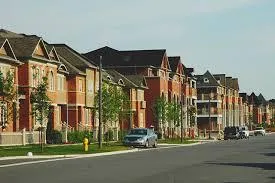
How Developers Identify Residential Development Land in Growing Cities
How Developers Identify Residential Development Land in Growing Cities
As cities expand and populations continue to grow, the demand for housing rises steadily. For real estate developers and investors, one of the most important opportunities lies in identifying residential development land opportunitiesin emerging markets. Finding the right land parcel early can make the difference between a successful development project and a missed investment opportunity.
Developers who understand how to evaluate land based on population trends, infrastructure growth, zoning regulations, and market demand are better positioned to secure profitable development sites. In growing cities, these factors play a crucial role in determining whether a parcel of land can support successful residential projects such as townhome communities, apartment complexes, or mixed residential developments.
This guide explains how developers identify high-potential residential development land and the strategies they use to secure valuable parcels before competition increases.
Why Residential Development Land Is in High Demand
Across many regions, housing demand is growing faster than supply. Population growth, urban migration, and economic expansion are driving the need for new residential developments.
Several factors contribute to rising demand for residential development land:
Population Growth
Growing cities attract new residents seeking employment, education, and better living opportunities. As population increases, the need for housing expands as well.
Developers closely monitor population trends to identify areas where residential construction will soon be necessary.
Urban Expansion
As cities grow, development spreads outward into surrounding suburban areas. These regions often contain vacant land parcels that can be transformed into new residential communities.
Land located near expanding city boundaries often becomes highly valuable for future housing projects.
Limited Housing Supply
In many cities, housing construction has not kept up with population growth. This shortage creates opportunities for developers to build new residential properties to meet market demand.
Identifying land in these markets allows builders to develop housing where it is most needed.
Key Factors Developers Analyze When Evaluating Land
Before purchasing land for residential development, developers carefully analyze several factors to determine whether a property is suitable for construction.
Population and Demographic Trends
Understanding population trends is one of the most important aspects of identifying residential development opportunities.
Developers evaluate:
Population growth rates
Migration patterns
Household formation trends
Income levels
Cities experiencing steady population growth typically require additional housing to support expanding communities.
Housing Demand
Developers must ensure there is sufficient demand for new residential units.
Market analysis often includes evaluating:
Current housing inventory
Average home prices
Rental demand
Vacancy rates
Strong housing demand increases the likelihood that new developments will sell or lease quickly after completion.
Infrastructure Expansion
Infrastructure plays a critical role in supporting residential development.
Developers often look for land located near:
Major highways and roads
Public transportation systems
Schools and universities
Hospitals and medical centers
Retail and commercial areas
Infrastructure improvements often increase land values and attract new residents to the surrounding area.
The Role of Zoning in Residential Development
Zoning regulations determine how land can be used and what type of development is allowed on a property.
Before purchasing land, developers review local zoning laws to ensure the property can support their intended project.
Important zoning considerations include:
Residential density limits
Minimum lot sizes
Building height restrictions
Parking requirements
Mixed-use development allowances
Land zoned for multi-family housing, townhomes, or higher-density residential communitiestypically offers greater development potential.
Identifying Off-Market Residential Land Opportunities
Many of the best residential development sites are never publicly listed on the market. Instead, they are acquired through off-market strategies.
Developers use several methods to uncover these hidden opportunities.
Direct Owner Outreach
Developers often contact property owners directly to inquire about potential land sales.
This approach allows builders to identify opportunities before properties are advertised publicly.
Direct communication can lead to mutually beneficial deals where property owners sell land without going through traditional listing processes.
Networking with Local Real Estate Professionals
Local brokers, land agents, and property managers frequently have early knowledge of properties that may soon become available.
Developers who build strong relationships within the real estate community often gain access to exclusive off-market opportunities.
Reviewing Public Records
Public property records can provide valuable insights into potential land acquisition opportunities.
Developers often review:
County tax records
Vacant land registries
Tax delinquency lists
Agricultural land ownership records
These sources can reveal property owners who may be willing to sell their land for development.
Types of Residential Developments Developers Look For
Once developers secure suitable land, they can create a variety of residential housing projects depending on zoning and market demand.
Common development types include:
Townhome Communities
Townhomes provide affordable housing options while maximizing land usage. These developments are popular in suburban areas near major cities.
Multi-Family Apartment Buildings
Apartment complexes allow developers to build multiple housing units on a single property, making them ideal for high-demand urban markets.
Mixed Residential Communities
Some developments combine several housing types, such as single-family homes, townhomes, and apartments within the same neighborhood.
These communities appeal to a wide range of buyers and renters.
Evaluating Land Development Feasibility
Before purchasing land, developers must ensure the project is financially viable.
Important considerations include:
Land acquisition cost
Infrastructure installation costs
Construction expenses
Permitting timelines
Market demand for housing
Conducting thorough feasibility studies helps developers avoid costly mistakes and identify profitable projects.
The Future of Residential Development Land
As population growth continues and cities expand, the demand for residential development land will remain strong. Developers who can identify emerging growth areas early will be better positioned to capitalize on new housing opportunities.
Infrastructure improvements, economic growth, and shifting housing preferences will continue to shape residential development trends. Builders who understand these market dynamics will have a competitive advantage when sourcing new land opportunities.
Conclusion
Finding residential development land opportunities requires a combination of market research, zoning knowledge, and strategic networking. Developers who carefully analyze population trends, housing demand, and infrastructure growth can identify promising land parcels before competition increases.
By leveraging off-market acquisition strategies and conducting thorough due diligence, builders can secure high-potential development sites and create residential communities that meet the needs of growing cities.
In today’s rapidly evolving real estate market, the ability to identify and acquire the right land at the right time remains one of the most valuable skills for successful developers.