Greenfield Development: How Builders Turn Undeveloped Land Into Profitable Projects
Greenfield Development: How Builders Turn Undeveloped Land Into Profitable Projects
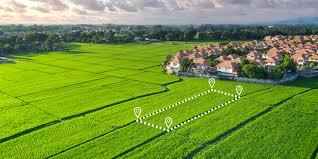
Greenfield development refers to the process of building on previously undeveloped land—often agricultural land, open fields, or rural parcels on the edges of expanding cities. Unlike infill or redevelopment projects that work within existing urban fabric, greenfield development starts from scratch. That blank-slate nature is both the biggest opportunity and the biggest risk.
For builders and investors, greenfield development land represents scale, flexibility, and long-term upside—but only if the land is evaluated and developed correctly.
What Greenfield Development Actually Means
Greenfield land is any site that has not been previously built on or significantly altered. It typically sits outside dense urban cores, often in suburban expansion zones or along emerging infrastructure corridors.
This is fundamentally different from:
Infill development, which uses vacant or underutilized parcels within existing cities
Brownfield development, which involves redeveloping contaminated or previously industrial land
Greenfield development is about expansion, not replacement. It is how cities grow outward.
Why Developers Target Greenfield Land
Developers are drawn to greenfield land for one simple reason: control.
With a clean site, they can design entire communities from scratch—road layouts, housing density, green spaces, utilities, and zoning layout. This level of control allows for optimized planning and often higher long-term profitability.
Key advantages include:
Large contiguous parcels for master planning
Flexible zoning negotiation potential
Lower initial land acquisition cost per square foot
Ability to create phased communities
Strong appreciation tied to surrounding urban expansion
However, these benefits come with complexity—especially around infrastructure and approvals.
How Developers Identify Greenfield Opportunities
The first step in any greenfield project is locating the right land. These parcels are rarely listed in obvious ways, especially in high-growth regions.
Developers typically look for:
1. Urban Expansion Zones
Land on the outskirts of fast-growing cities is prime territory. As population expands, cities naturally push outward, turning rural land into suburban neighborhoods.
2. Transportation Corridors
Highways, new rail extensions, and planned transit routes often signal future demand. Land near these corridors tends to appreciate quickly once infrastructure arrives.
3. Agricultural or Underutilized Parcels
Large farmland holdings or vacant tracts are often prime candidates for future subdivision or master-planned communities.
4. Off-Market Opportunities
Many of the best greenfield deals never hit the market. Developers often rely on:
Direct-to-owner outreach
Local land brokers
County tax record analysis
Long-term landholder relationships
Evaluating Greenfield Land: The Critical Factors
Before acquiring any greenfield site, developers conduct deep due diligence. Unlike infill projects, where infrastructure is already present, greenfield land must be fully evaluated for feasibility.
1. Zoning and Land Use Potential
Zoning determines what can legally be built. Many greenfield sites require rezoning or conditional approvals before development can begin.
Developers assess:
Current zoning classification
Density allowances
Potential for rezoning or master planning approvals
Local political and community resistance
A parcel with flexible zoning is significantly more valuable than one locked into low-density use.
2. Infrastructure Availability
Infrastructure is often the biggest cost driver in greenfield development.
Key considerations include:
Water supply access
Sewer connection or septic requirements
Electrical grid proximity
Road access and expansion needs
If utilities are far away, developers must factor in extension costs, which can heavily impact feasibility.
3. Environmental and Site Conditions
Raw land often carries environmental constraints that affect buildability.
Developers evaluate:
Flood zones
Soil stability and grading requirements
Wetlands or protected areas
Environmental impact assessments
These factors can delay approvals or reduce usable land area.
4. Market Demand and Growth Projections
Even the best land is worthless without demand.
Developers study:
Population growth trends
Employment hubs and job creation
Housing shortages in nearby cities
Comparable development absorption rates
For example, suburban expansion around major metros like Dallas, Atlanta, or parts of Florida has driven strong greenfield demand due to sustained population inflow.
The Development Process: From Raw Land to Community
Once land is acquired, the transformation process begins. Greenfield development is typically long-term and phased.
Step 1: Land Planning and Concept Design
Architects and planners design the master layout:
Road networks
Residential clusters
Commercial zones (if applicable)
Parks and open spaces
This phase determines the entire economic model of the project.
Step 2: Entitlements and Approvals
Developers must secure permission from local authorities.
This includes:
Rezoning applications
Subdivision approvals
Environmental clearances
Public hearings and community consultations
This stage can take months or even years depending on jurisdiction.
Step 3: Infrastructure Development
Before any vertical construction begins, infrastructure must be installed:
Roads and access points
Water and sewage systems
Electrical and telecom networks
This is one of the most capital-intensive stages but also what unlocks land value.
Step 4: Phased Construction
Large greenfield projects are rarely built all at once. Instead, they are developed in phases:
Phase 1: Core infrastructure + initial housing
Phase 2: Expansion of residential units
Phase 3: Commercial or mixed-use additions
Phasing helps manage risk and cash flow.
Risks Developers Must Consider
Greenfield development offers high upside—but also high exposure.
1. Infrastructure Cost Overruns
Unexpected utility or road extension costs can significantly reduce profit margins.
2. Regulatory Delays
Rezoning and permitting can be unpredictable, especially in politically sensitive regions.
3. Market Timing Risk
If demand slows during the development cycle, absorption rates may fall.
4. Environmental Restrictions
Wetlands or protected land designations can reduce usable acreage after purchase.
Strategies to Maximize Profitability
Experienced developers reduce risk and increase returns through strategic approaches:
1. Secure Land Early in Growth Corridors
Buying before infrastructure expansion is announced leads to higher appreciation.
2. Partner with Local Authorities
Early engagement with planning departments can smooth entitlement timelines.
3. Build Phased Exit Strategies
Selling or leasing in phases reduces capital exposure and improves cash flow.
4. Target Flexible Zoning Areas
Parcels with mixed-use or adaptable zoning allow for higher-density outcomes.
Greenfield vs Other Development Types
Understanding where greenfield stands in the broader development landscape is important:
Greenfield: Full control, highest scalability, highest infrastructure risk
Infill: Lower infrastructure cost, higher land competition
Brownfield: Often discounted land but requires remediation
Each has a place in a balanced development strategy, but greenfield remains the preferred path for large-scale community building.
Final Thoughts
Greenfield development land represents one of the most powerful opportunities in real estate: the ability to build entire communities from the ground up. But that opportunity comes with complexity. Success depends on careful site selection, deep due diligence, and strong understanding of infrastructure and zoning constraints.
For builders and investors who can navigate these challenges, greenfield projects offer unmatched scale, flexibility, and long-term returns—especially in regions where population growth continues to push cities outward.