
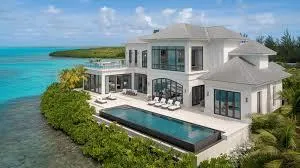
Exclusive Coastal Estates: Tips for Investing in High-End Waterfront Properties
Exclusive Coastal Estates: Tips for Investing in High-End Waterfront Properties
Investing in high-end waterfront estates is one of the most prestigious and potentially profitable ventures in real estate. Coastal properties not only offer stunning views and lifestyle benefits but also hold significant long-term investment potential. However, investing in luxury waterfront estates requires careful planning, research, and strategy. From identifying off-market opportunities to navigating complex zoning laws and maximizing ROI, this guide provides everything high-end investors need to know about acquiring and managing premium coastal properties.
Understanding the Appeal of Waterfront Estates
Waterfront estates are highly coveted due to their unique location and exclusivity. Properties with direct access to oceans, lakes, or rivers typically command higher prices and maintain long-term value better than non-waterfront properties. High-end buyers are drawn to the lifestyle advantages, including private beaches, boating access, panoramic views, and proximity to recreational amenities.
Investors must recognize that not all waterfront properties are created equal. Factors such as location, access, local regulations, and surrounding development significantly influence property value. Coastal regions with strong demand and limited supply are especially attractive for long-term investment.
Identifying Prime Coastal Locations
Successful investment in luxury waterfront estates begins with identifying prime locations. Top-tier areas often include regions with high tourism appeal, exclusive communities, and limited availability of new coastal estates. Examples include Florida’s Gulf Coast, Connecticut’s shoreline, California’s coastal enclaves, and select areas of New England.
Key considerations when scouting locations include:
Accessibility: Proximity to airports, highways, and city centers can affect both lifestyle appeal and resale value.
Community Amenities: Golf courses, marinas, and exclusive resorts increase property desirability.
Market Trends: Understanding regional price trends and demand cycles helps investors buy at optimal times.
Environmental Stability: Areas prone to flooding, erosion, or hurricane damage require additional risk assessment.
The Advantage of Off-Market Properties
High-end investors often gain the greatest returns by acquiring off-market properties. These listings are not publicly advertised and are typically available through private networks, real estate brokers, or direct owner outreach. Advantages include:
Reduced Competition: Fewer buyers mean better negotiation opportunities.
Access to Unique Estates: Off-market properties often include estates not listed anywhere else.
Time Efficiency: Investors can quickly secure deals without waiting for MLS listings.
Building relationships with local brokers, property managers, and community insiders is essential to uncover off-market opportunities.
Navigating Coastal Zoning and Regulations
One of the most critical aspects of investing in luxury waterfront estates is understanding zoning laws and coastal regulations. Local authorities impose restrictions to protect shorelines, prevent overdevelopment, and maintain public access. Key regulatory considerations include:
Setback Requirements: Minimum distances from waterlines to prevent erosion and property damage.
Building Restrictions: Limits on height, square footage, and types of structures allowed.
Environmental Permits: Some projects require permits to protect wetlands, wildlife, or dune systems.
Flood Zone Requirements: Properties in high-risk areas may require elevated foundations or specialized insurance.
Investors should work with local legal experts and architects familiar with coastal regulations to ensure compliance and reduce project delays.
Strategies to Maximize ROI
Maximizing ROI on high-end waterfront estates involves more than purchasing the right property. Investors should consider:
Renovation and Development: Upgrading interiors, landscaping, and waterfront amenities can significantly increase property value.
Exclusivity and Privacy: Adding private docks, gated entrances, and advanced security systems enhances appeal for high-net-worth buyers.
Marketing and Presentation: Professional photography, virtual tours, and staging highlight the estate’s luxury features.
Long-Term Planning: Holding properties in high-demand locations while the market appreciates can yield substantial returns.
Investors should balance short-term gains with long-term value preservation, particularly in prime coastal markets where exclusivity drives prices.
Maintaining Property Value
Sustaining the value of a luxury waterfront estate requires ongoing maintenance and attention to detail. Coastal environments are harsh, with salt air, high humidity, and potential storms affecting structures and landscaping. Tips for maintaining high-end estates include:
Regular inspection and upkeep of waterfront structures such as docks, seawalls, and piers.
Landscape design that balances aesthetics with durability against coastal conditions.
Preventive maintenance of roofing, siding, and HVAC systems exposed to coastal weather.
High-end investors often hire property management services specializing in luxury waterfront estates to protect their investment and ensure the property remains market-ready.
FAQs
1. What makes a waterfront property “high-end”?
A high-end waterfront property typically combines prime location, large acreage or square footage, luxury amenities, exclusivity, and high-quality construction. These estates often cater to affluent buyers seeking privacy, prestige, and investment potential.
2. Why invest in off-market coastal properties?
Off-market properties provide reduced competition, early access to unique estates, and opportunities to negotiate better deals. Networking with local brokers and property owners is key to accessing these hidden gems.
3. What are common risks of investing in coastal estates?
Risks include flooding, hurricanes, erosion, regulatory restrictions, and high maintenance costs. Proper due diligence, insurance, and environmental assessments are essential to mitigate these risks.
4. How can I maximize ROI on a luxury waterfront estate?
Strategies include property upgrades, developing exclusive amenities, effective marketing, maintaining privacy, and leveraging off-market opportunities. Long-term appreciation in high-demand areas also boosts ROI.
5. Do zoning laws affect waterfront property investments?
Yes. Coastal zoning and environmental regulations determine what you can build or modify. Compliance with setbacks, permits, floodplain rules, and environmental protections is mandatory for legal and financial security.