
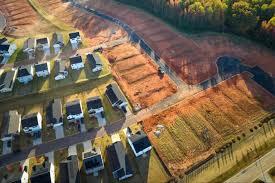
Corner Lot Development: Why Builders Target High-Visibility Parcels
Corner Lot Development: Why Builders Target High-Visibility Parcels
Developers are always searching for land that offers flexibility, strong resale value, and maximum development potential. One often overlooked but highly valuable opportunity is corner lot development land. Located at the intersection of two streets, corner parcels provide dual frontage, improved access, and higher visibility compared to interior lots. These advantages make them attractive for residential, multi-unit, and mixed-use projects.
Because of their unique positioning, corner lots often allow more creative layouts, additional units, and better long-term value. Builders frequently target these properties in growing neighborhoods, urban infill areas, and transit corridors. When evaluated properly, corner lot development can significantly increase project profitability.
This guide explains why developers prioritize corner lots, how they evaluate these parcels, and strategies to maximize development potential.
What Is a Corner Lot?
A corner lot is a parcel located at the intersection of two streets. Unlike standard interior lots that have frontage on one side, corner lots typically provide frontage on two sides. This dual frontage creates additional opportunities for design flexibility and improved access.
Corner lots often feature:
Dual street frontage
Multiple access points
Increased visibility
Flexible building orientation
Easier traffic flow
Improved landscaping options
These characteristics make corner parcels especially attractive for development.
Why Developers Target Corner Lot Development Land
Corner lots provide several advantages that developers can use to increase value and improve project design.
Dual Street Frontage
One of the biggest benefits of corner lot development is dual street frontage. This allows developers to create multiple entry points and design layouts that would not be possible on interior parcels.
Dual frontage can be used for:
Separate unit entrances
Multiple driveways
Corner-facing commercial space
Side-loaded garages
Improved parking layouts
This flexibility makes corner lots ideal for multi-unit housing and mixed-use development.
Improved Accessibility
Corner parcels provide easier access compared to interior lots. Vehicles can enter from one street and exit from another, which improves circulation and convenience. This is especially valuable for:
Duplex and triplex developments
Townhome communities
Small apartment buildings
Mixed-use projects
Improved access can also reduce congestion and enhance property appeal.
Higher Density Potential
In some municipalities, corner lots allow higher density development. Because these parcels have frontage on two streets, zoning regulations may permit additional units or flexible layouts.
Developers may be able to build:
Duplexes
Triplexes
Four-unit buildings
Townhomes
Accessory dwelling units
Small mixed-use buildings
This increased density helps maximize land value.
Increased Visibility
Corner lots are more visible than interior parcels. This is particularly valuable for mixed-use and commercial-residential projects. Increased visibility improves exposure for businesses and enhances long-term property value.
Developers often target corner lots for:
Live-work developments
Retail with residential above
Office conversions
Neighborhood commercial spaces
Visibility can significantly increase project desirability.
Residential Development Opportunities
Corner lot development land is frequently used for residential projects. Builders can take advantage of flexible layouts and additional frontage to create efficient designs.
Common residential uses include:
Single-family homes with ADUs
Duplexes and triplexes
Small multi-family buildings
Townhome developments
Cottage-style housing communities
Corner lots often allow separate entrances for each unit, improving privacy and functionality.
Mixed-Use Development Potential
Corner lots are ideal for mixed-use development due to high visibility and accessibility. Developers can combine residential and commercial uses within the same project.
Examples include:
Ground-floor retail with apartments above
Live-work units
Office space with residential units
Small neighborhood shopping corners
Restaurant with upper-level housing
These developments benefit from traffic exposure and corner positioning.
Zoning Advantages of Corner Lots
Many municipalities provide special zoning considerations for corner parcels. These regulations can allow more flexible development options.
Potential zoning advantages include:
Reduced setback requirements
Multiple driveway allowances
Higher density limits
Mixed-use zoning flexibility
Additional building frontage allowances
Developers should review local zoning codes to understand these benefits.
Design Flexibility
Corner lots allow builders to design projects that maximize space and functionality. Unlike interior parcels, developers can orient buildings in multiple directions.
Design benefits include:
Side-facing garages
Separate entrances for units
Dual frontage building layouts
Improved outdoor space design
Better parking placement
Flexible design improves buyer and tenant appeal.
Evaluating Traffic Exposure
Traffic exposure plays an important role in corner lot development. Developers analyze how visibility and accessibility impact development potential.
Key factors include:
Traffic volume on both streets
Road classification
Pedestrian activity
Nearby commercial uses
Visibility from intersection
Higher traffic exposure increases mixed-use and commercial viability.
Lot Dimensions and Layout Considerations
Corner lot size and shape influence development potential. Developers evaluate whether the parcel can support their intended project.
Important considerations include:
Total lot size
Frontage length on both streets
Corner radius requirements
Setback distances
Buildable area
Efficient lot configuration helps maximize usable space.
Infrastructure Access Benefits
Corner parcels often provide better infrastructure access compared to interior lots. Utilities may be available from either street, simplifying development.
Developers review:
Water and sewer connections
Electrical access
Storm drainage
Sidewalk requirements
Road improvements
Access to utilities from multiple directions can reduce costs.
Finding Corner Lot Development Opportunities
Developers use several strategies to locate corner lot opportunities.
Target Growing Neighborhoods
Corner lots in expanding areas often provide strong appreciation potential.
Look for Older Properties
Older homes on corner lots may offer redevelopment opportunities.
Analyze Zoning Maps
Some corner parcels are zoned for higher density or mixed-use.
Focus on Infill Areas
Urban infill neighborhoods frequently contain corner lot opportunities.
Direct Owner Outreach
Developers often contact owners of corner properties directly.
Benefits of Corner Lot Development
Corner lot development offers several advantages.
Higher Property Value
Corner parcels often command premium pricing.
Flexible Layout Options
Developers can create unique building designs.
Multiple Access Points
Dual access improves usability and traffic flow.
Mixed-Use Potential
Visibility supports retail and commercial uses.
Increased Density
Some zoning allows additional units on corner lots.
Challenges Developers Should Consider
Despite advantages, corner lots also present challenges.
Traffic Noise
Busy intersections may impact residential appeal.
Larger Setback Requirements
Some municipalities require additional corner setbacks.
Parking Design Constraints
Parking must accommodate dual street frontage.
Landscaping Requirements
Corner lots often require enhanced streetscape design.
Proper planning helps mitigate these challenges.
Conclusion
Corner lot development land provides unique opportunities for builders and investors. Dual street frontage, improved accessibility, and higher visibility make these parcels ideal for residential and mixed-use projects.
Developers who carefully evaluate zoning regulations, traffic exposure, and infrastructure access can unlock significant value. With growing demand for efficient land use, corner lot development will continue to play an important role in urban and suburban real estate projects.
By targeting high-visibility parcels and designing flexible layouts, builders can maximize density, improve market appeal, and increase long-term profitability.